Safkan?
Safkan olsaydı üzerinde muhakkak "Class A" yazardı... Esasen bu, 80 li yıllarda pek çok HIFI firmasının başvurduğu bir "psikolojik modellendirme" yöntemi.. Misal aynı dönemde JVC de Class Super A diye bir ürün çıkartmıştı ama Class A değildi bu ürün.. Zaten cihazın speklerine baktığınızda (2x90W @8R, 2x120W @4r) cihazın AB olduğunu görürsünüz.. Çünkü saf Class A amplifikatörler B nin tam tersine düşük empedanslı yüklere daha az güç aktarabilir (bakınız: yukarıdaki hesaplamalar).. Ancak her AB cihaz aslında bir miktar da Class A dır adı üzerinde.. Ve bence çoğu dinleme seviyesi için yeterlidir bu Class A lık.. Ama hepsi o kadar..
Bakınız meşhur HI-FI gurusu Bob Cordell, Class AA için ne buyurmuş;
It should be recognized that bias circuits that prevent the "other" transistor from turning off in an otherwise class AB amplifier can improve the sound a bit by mitigating some of the switching distortion. HOWEVER, this is not class A and DOES NOT eliminate static crossover distortion.
Static crossover distortion is caused when the net transconductance of the output stage changes as the signal-handling is transferred from one device, through a sharing region, then to the other device.
In Class A, both the upper and lower devices are contributing roughly the same transconductance to the signal path through the entire signal swing. Merely preventing one transistor from turning off does NOT prevent its transconductance contribution from going very small or to zero.
Another very important point about true class A is that the rail current drawn by the power transistors is largely sinusoidal (when a sinusoid is applied), as opposed to a nasty half-wave-rectified waveform. Such nasty current waveforms running around in a class AB amplifier, if not dealt with carefully, can harm the sonics. These quasi-class-A non-switching gizmos still largely have those nasty nonlinear currents running around.
Finally, there is dynamic crossover distortion, where the output transistors are unable to change their current fast enough to follow the signal, often as a result of too low base suckout current and/or too low ft. The non-switching adaptive bias circuits that in a static sense do not permit an output transistor to turn off do not necessarily eliminate this form of crossover distortion either.
Cheers,
Bob
Kolay gelsin.

DIY Audio Türkiye Forum
Türkiye'nin ilk ve tek ev yapımı ses devreleri tartışma platformu
RAS10 Dökümanı
Transistör/MOSFET Güç Yükselteçleri » Transistörlü ve MOSFET'li (solid state) ses yükselteçleri ile alakalı soru(n)larCevap: RAS10 Dökümanı
 gönderen drhardware » 28 May 2009, 13:09
-

drhardware - Eski Site Sorumlusu
- İleti: 1072
- Kayıt: 12 Arl 2006, 17:08
- İl: Ankara
Cevap: RAS10 Dökümanı
gönderen drhardware » 28 May 2009, 13:32
Bu arada, bir yanlış anlaşılmaya meydan vermemesi için;
Yukarıdaki tespitler ve görüşlerim Technics SU-V60'ın kötü bir amplifikatör olduğunu manasında değerlendirilmesin. V60 dinlemedim ama SU serisinden bir kaç amplifikatör dinledim ve gençlik yıllarımda bu cihazlar "bir efsaneydi" kesinlikle... Ancak onarım yapmaya değer mi değmez mi karar verebilmek için, halen hayatta olan bir SU ile RAS100 ü aynı kaynaklardan ve aynı hoparlörlerle dinlemek lazım..
Yukarıdaki tespitler ve görüşlerim Technics SU-V60'ın kötü bir amplifikatör olduğunu manasında değerlendirilmesin. V60 dinlemedim ama SU serisinden bir kaç amplifikatör dinledim ve gençlik yıllarımda bu cihazlar "bir efsaneydi" kesinlikle... Ancak onarım yapmaya değer mi değmez mi karar verebilmek için, halen hayatta olan bir SU ile RAS100 ü aynı kaynaklardan ve aynı hoparlörlerle dinlemek lazım..
-
drhardware - Eski Site Sorumlusu
- İleti: 1072
- Kayıt: 12 Arl 2006, 17:08
- İl: Ankara
Cevap: RAS10 Dökümanı
gönderen elektrosenol » 28 May 2009, 14:26
sayın dr.hardware belkide dediğiniz gibi bir modelleme olabilir ama cihazda class a esintisi olan bir çok özellik kanımca vardı .dediğiniz üzere 4 ohm ve altı empendanslarda çıkış gücü daha az olarak gözlemleniyodu ama hoparlör empendansını arttırdığımızda durum sizinde belirttiğiniz üzere tersine idi class ab ve b sınıfı amplifikatörlere göre ısınma olayı yine fazla idi ki 15-20 dk. lık bir dinlemede üzerinde mangal yapabilirsiniz  . öte yandan orta frekans belirginliği hayriyetten bunu kamçılıyodu. ama yüksek frekanslarda pek aynı esintiyi duyduğumu söyleyemem.öte yandan bu amplifikatörün güç katını besleyen bir fet buffer devreside vardı ki oda ses kalitesini arttıran önemli bir unsuruydu.başta yazdığınızı anlayamadım-Safkan olsaydı üzerinde muhakkak "Class A" yazardı-tabir etmek istediğiniz class aa yazısının sadece class a mı olması onu anlamadım?
. öte yandan orta frekans belirginliği hayriyetten bunu kamçılıyodu. ama yüksek frekanslarda pek aynı esintiyi duyduğumu söyleyemem.öte yandan bu amplifikatörün güç katını besleyen bir fet buffer devreside vardı ki oda ses kalitesini arttıran önemli bir unsuruydu.başta yazdığınızı anlayamadım-Safkan olsaydı üzerinde muhakkak "Class A" yazardı-tabir etmek istediğiniz class aa yazısının sadece class a mı olması onu anlamadım?Steryo takılıyorum:)
-
elektrosenol - DIY Audio Fanatiği
- İleti: 143
- Kayıt: 09 Haz 2008, 21:20
- İl: İstanbul
Cevap: RAS10 Dökümanı
gönderen drhardware » 28 May 2009, 15:07
Doğrudur, pür Class A olsaydı mutlaka ve sadece "Class A" yazardı. Çünkü bütün odyofiller bilir ki Class A en pahalı amplifikatördür! Class AA markalamasında bir Class A öykünmesi seziliyor zaten..
Ayrıca Bob Cordell'in de bu sistemi yakından incelemişliği var ve düşüncelerimi destekler nitelikte!
Isınma konusuna şöyle açıklık getireyim;
Şu an kullandığım amplifikatör LM4702+2SK1058/2SJ162 ve preampli veya buffer kullanılmayan bir uygulama. Bias akımı kanal başına 115mA. Bu durumda Class A dan B ye geçme seviyesi 100mW (8R) civarında kalıyor. Ölçülmüş THD seviyesi de "makul" düzeylerin oldukça altında.. 0.3°C/W gibi (10x30x7cm 25kanatlı ve 10mm solid alüminyum) ciddi bir soğutucu ve bu kadarcık bias seviyesiyle dahi 20dk çalışma sonucunda kış günü takriben 75-80°C de stabilite sağlayabiliyorum. Genelde kullanılan 40mA bias seviyesiyle aralarında oldukça duyulabilir bir kalite farkı algıladım ve bu seviyede bırakmayı tercih ettim.
Kaldı ki aynı amplifikatörü 650mA bias seviyesiyle de denedim ve benzeri bir soğutucu daha sisteme kuple edildiği halde MOSFET ler kolayca 100°C yi gördü! Açıkçası korkumdan bu fantastik denemeyi daha fazla sürdüremedim...
Hesap kitap işini ben de pek sevmem ama illa ki hesap yapmak gerekecek korkarım;
Eğer SU-V60 90W (@8r) bir Class A amplifikatörse ve PP topolojisine göre çalışıyorsa (ki öyle) hesaplarıma göre 2,7A kanal başına bias akımına sahip olmalı.. Ayrıca en az 45+45 yani 90v besleme gerilimi uygulanmalıdır. Bu ise yaklaşık 250W sükunet güç harcaması demektir. Tam güçte bu harcama ikiye katlanır yani 500W! İki kanal için ise 1000W eder bu... Diyelim ki 0.1°C/W lık bir soğutucunuz var (takriben 20x50x7cm) ve "sıfır" termal kayıpla kalın film entegrelerinizi bu soğutucuya bağladınız bu durumda dahi gerek entegre kılıfının termal yalıtkanlığı ve gerekse havalandırma koşulları yüzünden amplifikatörünüzün kabin için sıcaklığı bir kaç dakika içinde 150°C yi geçecektir! Kesinlikle ölümcül bir sıcaklık seviyesi... Diğer yandan sadece 0,1°C/W lık bir termal kontak kaybı yaşansa dahi bu sıcaklık 250-300 dereceleri bulur ve bu sadece kabin içi sıcaklıktır. On die (chip üstü) sıcaklık ise bundan en az %20-30 daha yüksektir..
Açıkçası bu minik kutuda o soğutma performansını gözlemleyemedim.... Ama gerçekten bir "safkan" görmek istiyorsan bence sadece 50W güç vaat eden Krell 50 nin kutusuna ve soğutma sistemine bir bakmanı öneririm (belki de görmüşsündür!)...
Kolay gelsin.
Ayrıca Bob Cordell'in de bu sistemi yakından incelemişliği var ve düşüncelerimi destekler nitelikte!
Isınma konusuna şöyle açıklık getireyim;
Şu an kullandığım amplifikatör LM4702+2SK1058/2SJ162 ve preampli veya buffer kullanılmayan bir uygulama. Bias akımı kanal başına 115mA. Bu durumda Class A dan B ye geçme seviyesi 100mW (8R) civarında kalıyor. Ölçülmüş THD seviyesi de "makul" düzeylerin oldukça altında.. 0.3°C/W gibi (10x30x7cm 25kanatlı ve 10mm solid alüminyum) ciddi bir soğutucu ve bu kadarcık bias seviyesiyle dahi 20dk çalışma sonucunda kış günü takriben 75-80°C de stabilite sağlayabiliyorum. Genelde kullanılan 40mA bias seviyesiyle aralarında oldukça duyulabilir bir kalite farkı algıladım ve bu seviyede bırakmayı tercih ettim.
Kaldı ki aynı amplifikatörü 650mA bias seviyesiyle de denedim ve benzeri bir soğutucu daha sisteme kuple edildiği halde MOSFET ler kolayca 100°C yi gördü! Açıkçası korkumdan bu fantastik denemeyi daha fazla sürdüremedim...
Hesap kitap işini ben de pek sevmem ama illa ki hesap yapmak gerekecek korkarım;
Eğer SU-V60 90W (@8r) bir Class A amplifikatörse ve PP topolojisine göre çalışıyorsa (ki öyle) hesaplarıma göre 2,7A kanal başına bias akımına sahip olmalı.. Ayrıca en az 45+45 yani 90v besleme gerilimi uygulanmalıdır. Bu ise yaklaşık 250W sükunet güç harcaması demektir. Tam güçte bu harcama ikiye katlanır yani 500W! İki kanal için ise 1000W eder bu... Diyelim ki 0.1°C/W lık bir soğutucunuz var (takriben 20x50x7cm) ve "sıfır" termal kayıpla kalın film entegrelerinizi bu soğutucuya bağladınız bu durumda dahi gerek entegre kılıfının termal yalıtkanlığı ve gerekse havalandırma koşulları yüzünden amplifikatörünüzün kabin için sıcaklığı bir kaç dakika içinde 150°C yi geçecektir! Kesinlikle ölümcül bir sıcaklık seviyesi... Diğer yandan sadece 0,1°C/W lık bir termal kontak kaybı yaşansa dahi bu sıcaklık 250-300 dereceleri bulur ve bu sadece kabin içi sıcaklıktır. On die (chip üstü) sıcaklık ise bundan en az %20-30 daha yüksektir..
Açıkçası bu minik kutuda o soğutma performansını gözlemleyemedim.... Ama gerçekten bir "safkan" görmek istiyorsan bence sadece 50W güç vaat eden Krell 50 nin kutusuna ve soğutma sistemine bir bakmanı öneririm (belki de görmüşsündür!)...
Kolay gelsin.
-
drhardware - Eski Site Sorumlusu
- İleti: 1072
- Kayıt: 12 Arl 2006, 17:08
- İl: Ankara
Cevap: RAS10 Dökümanı
gönderen fixxxxxer » 28 May 2009, 16:40
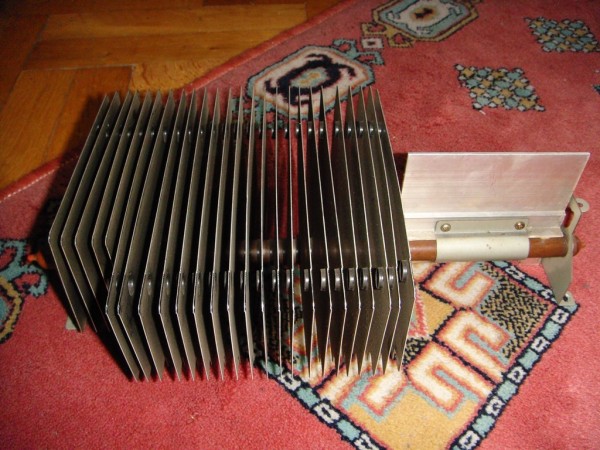
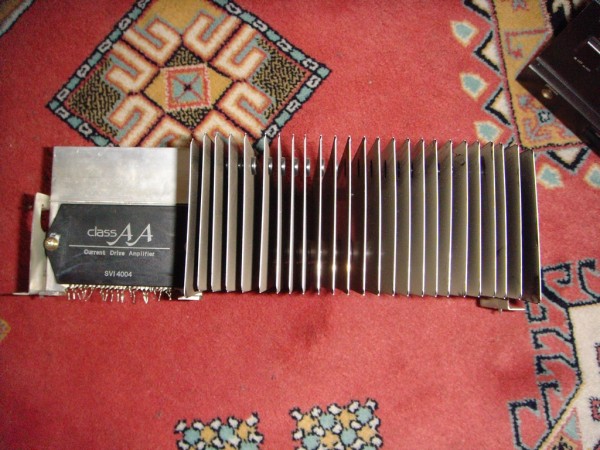
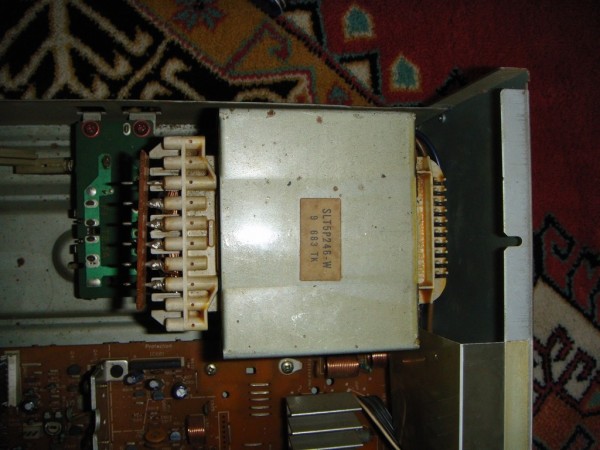
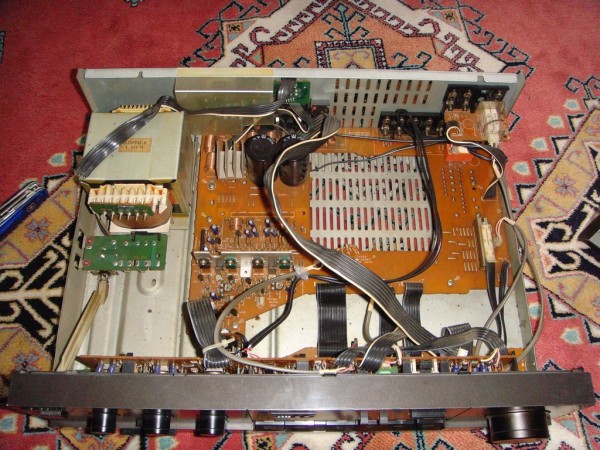
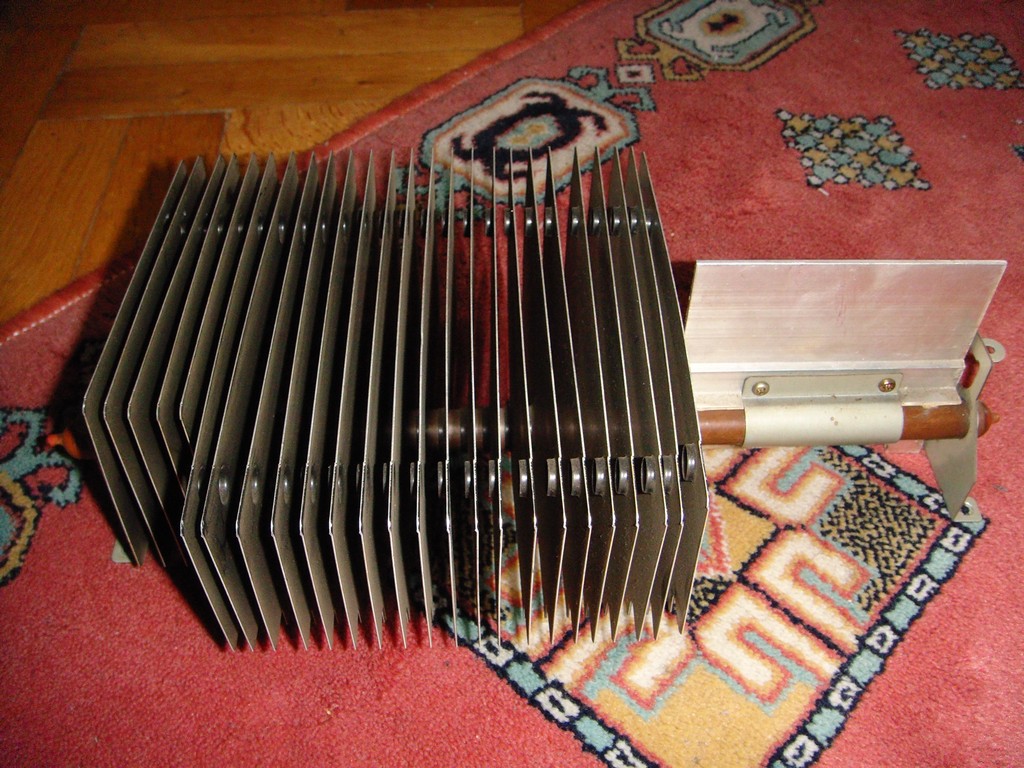
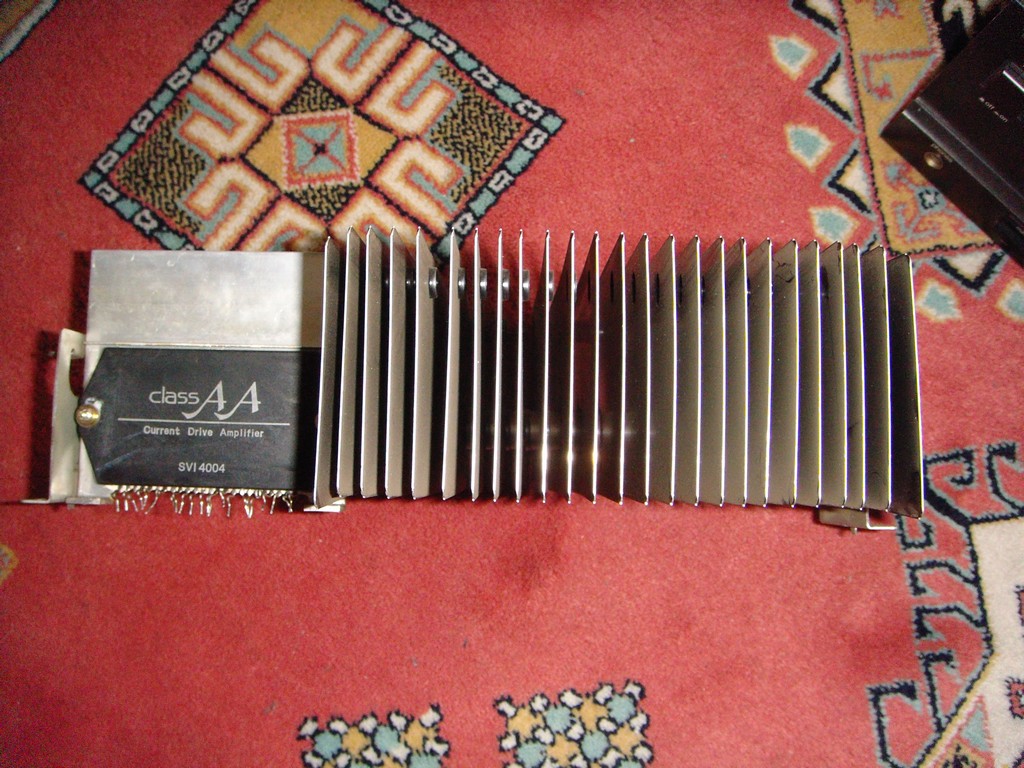
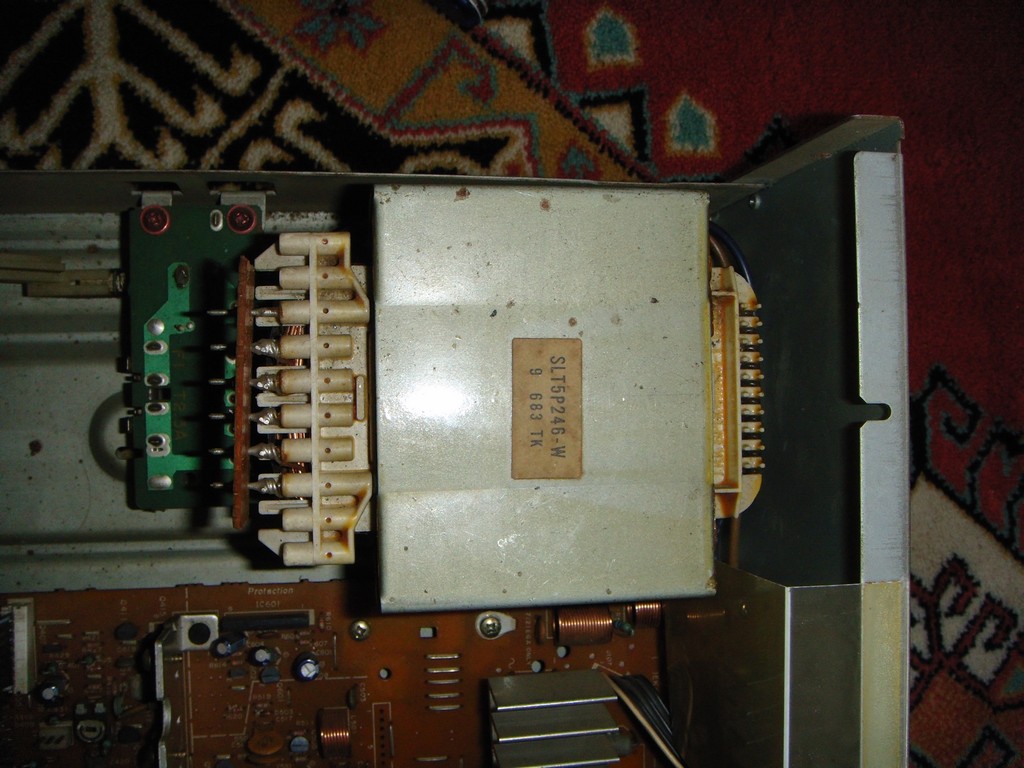
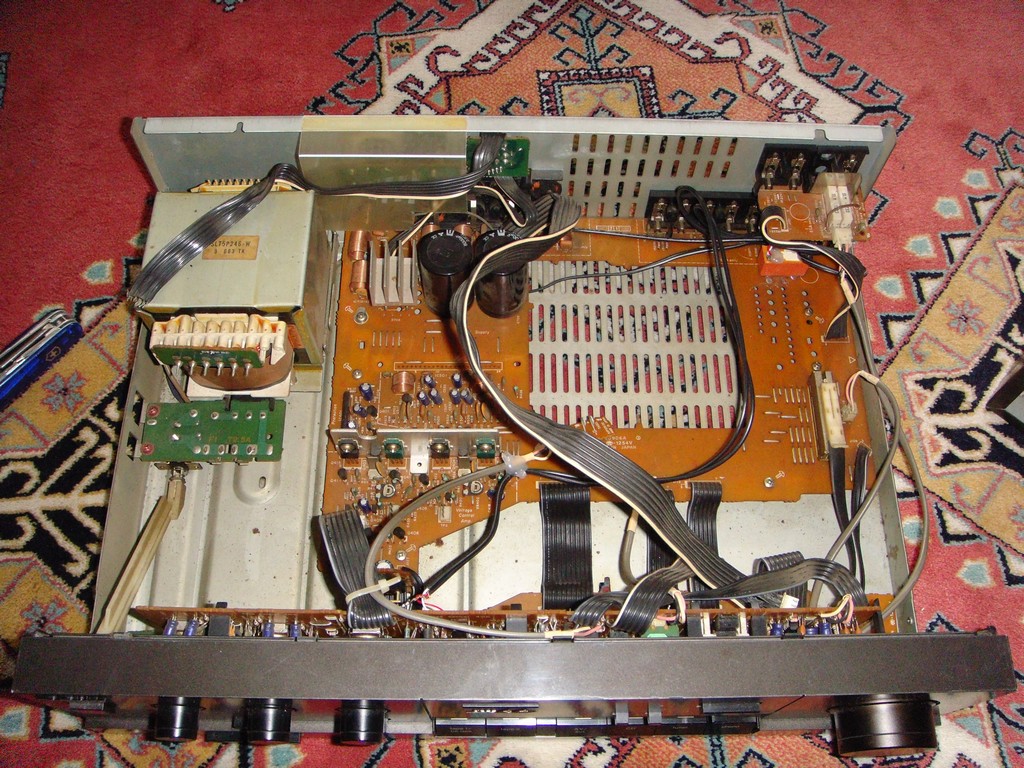
Yav bukadar mucizevi bir ampli değil bu su-V60, class-a ile hiçbir alakası yok, Dr'un da dediği üzere markaların psikolojik bir oyunu, yabancı bir sitedeki "class"larla ilgili bir makalede, class-ab'den çok küçük farklarla ayrıldığı apaçık yazıyordu, daha iyi midir, göreceli olabilir... Kaldı ki su-v55'i zamanında çok dinledim, ki aynı çıkış katını kullanır(svi4004), iyi markaların stk'lı amplilerinden (sony, pioneer, fisher vs.) pek de farklı değil, pioneer a656, 757 gibi babacan class-ab amplilerin yanına bile yaklaşamaz, değil ki safkan class-a pioneer a-09 ya da Doktorun övdüğü krell ksa50... muhtemelen matsushita'nın sanyo ile rekabet halinde olmasının sonucudur bu class-ab stk ile class-aa svi çıkış katlarının farkı... Bu nedenle kaliteli discrete bir ampli arayışına girdim ve ras-100 yapmak istiyordum, "Doktor tavsiyesi" ile kendisinin uyguladığı daha gelişmiş ampliyi yapacağım muhtemelen. İşte size bu amplinin class-a olamayacağına delalet iç görütüsü ve soğutucusu:
- Eklentiler
-
- soğutucu 2
-
- soğutucu ön
-
- trafo yakın plan
-
- genel iç görünüm
-
fixxxxxer - DIY Audio Gurusu
- İleti: 456
- Kayıt: 04 Oca 2009, 14:24
- İl: İstanbul
- Meslek: Öğrenci
Cevap: RAS10 Dökümanı
gönderen drhardware » 28 May 2009, 17:20
Hmmm... Belli ki STK tarzı (belki de Sanyo üretimi!!) bir thick film kullanmışlar, üstelik stereo kılıfta! Trafoya ve soğutucuya bakacak olursak hakkında bu kadar yazı yazılacak bir alet de değilmiş üstelik...
Yaw şimdi, gençlik yıllarımda hayallerimi süsleyen SUV bu muymuş demekten kendimi alamadım!
Bir vakitler de Reno 9 arabasına heves ederdim (MÖ), aldım 6 ay kullanmadan zararına sattım, sonra da kendi kendime bi araba bu kadar mı boş olur (850kg!!!) yaw deye hayıflandıydım... O hesap bu da...
Saol resimler için fixer kardeş. Gençlik hayalimi yıktın!
Yaw şimdi, gençlik yıllarımda hayallerimi süsleyen SUV bu muymuş demekten kendimi alamadım!
Bir vakitler de Reno 9 arabasına heves ederdim (MÖ), aldım 6 ay kullanmadan zararına sattım, sonra da kendi kendime bi araba bu kadar mı boş olur (850kg!!!) yaw deye hayıflandıydım... O hesap bu da...
Saol resimler için fixer kardeş. Gençlik hayalimi yıktın!
-
drhardware - Eski Site Sorumlusu
- İleti: 1072
- Kayıt: 12 Arl 2006, 17:08
- İl: Ankara
Cevap: RAS10 Dökümanı
gönderen fixxxxxer » 28 May 2009, 18:07
Üzgünüm Dr.  Evet kesinlikle göründüğünden daha boş bir ampli, ama bomboş da değil, yani hakikaten şimdi satılan standart kullanıcı tipi ürünlerin çoğunun köküne kibrit suyu sıkar, ama zamanında üst düzey de değilmiş.. Aynı serinin daha üstleri var, suv-80, 90 diye onlar discrete yapıda biraz daha hallice duruyor... Entegre stk'lar gibi, dediğiniz gibi isim başka olsa da stk da olabilir( benim pioneer avr'nin içindeki entegreler de stk ama pac010, 011 gibi isimler verilmiş, cross referansları var, svi'lerin ne datasheet ini ne de cross referansını bulamadım, matsushita'nın sanyo ya rakibi bir model de olabilir... Trafo boş değil, fotoraflarda küçük görünebilir ama gerçekten büyük ve ağır(taşırken trafo tarafına çekiyorum:)) Soğutucu dediğiniz gibi basit...
Bu arada renault da hakikaten boşmuş yav, benm 35 senelik tek kapılı ufacık tosbaa(ki motoru hava soutmalı olduğu için kuş gibi hafiftir) bile 870 kilo..
Evet kesinlikle göründüğünden daha boş bir ampli, ama bomboş da değil, yani hakikaten şimdi satılan standart kullanıcı tipi ürünlerin çoğunun köküne kibrit suyu sıkar, ama zamanında üst düzey de değilmiş.. Aynı serinin daha üstleri var, suv-80, 90 diye onlar discrete yapıda biraz daha hallice duruyor... Entegre stk'lar gibi, dediğiniz gibi isim başka olsa da stk da olabilir( benim pioneer avr'nin içindeki entegreler de stk ama pac010, 011 gibi isimler verilmiş, cross referansları var, svi'lerin ne datasheet ini ne de cross referansını bulamadım, matsushita'nın sanyo ya rakibi bir model de olabilir... Trafo boş değil, fotoraflarda küçük görünebilir ama gerçekten büyük ve ağır(taşırken trafo tarafına çekiyorum:)) Soğutucu dediğiniz gibi basit...Bu arada renault da hakikaten boşmuş yav, benm 35 senelik tek kapılı ufacık tosbaa(ki motoru hava soutmalı olduğu için kuş gibi hafiftir) bile 870 kilo..
En son fixxxxxer tarafından, 28 May 2009, 22:06 tarihinde değiştirildi, toplamda 2 değişiklik yapıldı.
-
fixxxxxer - DIY Audio Gurusu
- İleti: 456
- Kayıt: 04 Oca 2009, 14:24
- İl: İstanbul
- Meslek: Öğrenci
Cevap: RAS10 Dökümanı
gönderen supernova » 28 May 2009, 18:10
drhardware yazdı:
Sevgili Supernova,
On Semi'nin Thermal Trak transistörleri kaliteli power amplarda kullanılan çok iyi bir seridir. Ayrıca on-board diyotları sayesinde termal izleme gerektirmezler yani Vbe multiplier gereksizdir. Tek kusurları tekil BJT olmalarıdır (Hfe=150). Bu şartlar altında LM4702 ile sürebilmen için darlington veya szilaki çifti oluşturman gerekir. Yani beyz sürücü transistörler eklemen gerekir bu arkadaşlara, çünkü LM4702 nin sürüş kapasitesi (Class A çıkışlara sahip olduğundan) 9mA ile sınırlandırılmıştır. Belirttiğin üzere 30v AC ile beslesen dahi (ki bu ~40v DC eder) 8 ohm için yaklaşık 75W güç elde edersin. Yüke 3A RMS ve 4,25A peak akım akıtacağın anlamına gelir bu. Peak akımı Hfe ye bölersen; ~28mA akım talebi demektir ki LM4702 bunu kaldıramaz... Bu durumda en az 500 Hfeye sahip hazır darlingtonlar kullanman (TIP142/147) veya NJL lerin önüne uygun özellikte beyz sürücüler koyman gerekecektir. Ya da LM4702 yerine LME49810 veya 49830 (x2) kullanarak bu NJL leri direkt olarak da sürebilirsin ancak hem 49810 un ve hem de 49830 un on-board bias devresi olduğundan bu transistörlerin asıl özelliği olan thermal trak fonksiyonunu devre dışı bırtakman gerekecektir.
Diğer yandan, benim de elimde Sanken'in SAP15 lerinden iki çift var ve bu arkadaşlar da NJL lerle aynı özelliğe sahip yani thermak track.. Tek farkla, bendekiler hazır darlington ve Hfe leri neredeyse 10,000 seviyesinde! Şu anda LME49811 ve bu arkadaşlarla bir uygulama planlıyorum ama henüz pratiğe geçirmiş değilim.. Söylentiler LM4702 (ve diğer evlatlarının) nin BJT lerle daha iyi sonuç verdiği yönünde! Ben de bunu denemek isrtiyorum zaten..
Kolay gelsin.
DR. çok güsel bi açıklama olmuş hesaplama da süper teşekkür ederim iyi bir bilgi oldu.njl ler benimde dikkatimi çekti evet oyüzden biraz üstelicem,araştırcam.öncelikle 30 volt ac regüle ediceğim için dc çıkışta 30 volt alıcam.hoparlörlerim de 6 ohm.bu durumda ortaya çıkıcak akımı lm4702 yine karşılayamıcak.sizin dediniz "njl lerin önüne uygun özellikte beyz sürücüler" derken iki veya 3 adet njl ile mi yapmak gerekir bu uygulamayı.yani darlington olmamalarını bu şekilde telafi edilebilirmi?Hfe seviyesini de bu şekilde yükselitilemezmi?
Bu transistor,mosfetlere de chipamp lara ilk başta yabancı olduğum gibi yabancıyım.soruları mazur görün.birde emin abi ben transistor ve mosfet ile başlık açmıştım pek ilgi görmedi senn başlığa yığılma,ilgi oldu bende sorularımı burdan soruyorum sende kusura bakma
benim açtığım başlıkta silinebilir aslında yönetimin bilgisine.."Başkalarının bilgisiyle bilgin olsak bile, kendi aklımız kadar akıllıyız."
-

supernova - DIY Audio Gurusu
- İleti: 299
- Kayıt: 01 Eyl 2008, 01:31
- İl: istanbul
Cevap: RAS10 Dökümanı
gönderen e_cag » 28 May 2009, 19:10
Sorun yok!.. Muhtelif bilgiler alıyoruz işte bir arada. Forumun seslenmesine sevindim. Dediğim gibi birkaç proje çıkacak buradan . Konular toparlansın mesajları da ayırırız Hazar'ın yardımıyla. 
Soğtucu olarak ne yapsam diye düşünüyorum ben de. Hani bir SE a sınıfı çıkacak benden ya, bakalım nasıl olacak


. Konular toparlansın mesajları da ayırırız Hazar'ın yardımıyla. Soğtucu olarak ne yapsam diye düşünüyorum ben de. Hani bir SE a sınıfı çıkacak benden ya, bakalım nasıl olacak
Yaptım yaptım kutulayamadım.
-
e_cag - DIY Audio Gurusu
- İleti: 1416
- Kayıt: 10 Oca 2008, 02:06
- Konum: Istanbul
- İl: İstanbul
- Meslek: Kimyager
Cevap: RAS10 Dökümanı
gönderen fixxxxxer » 28 May 2009, 21:43
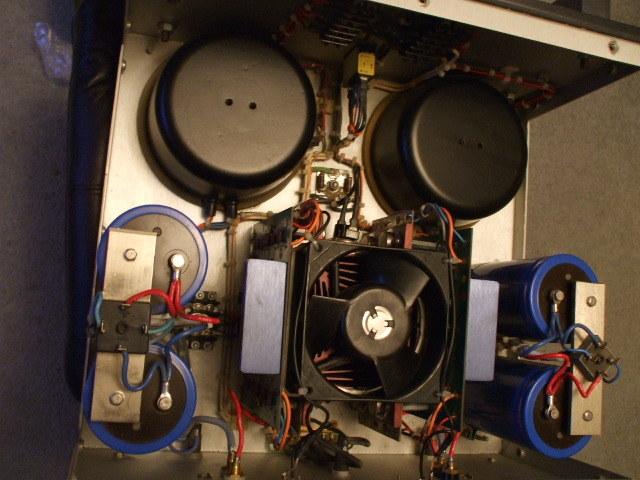
Mos başına fanlı p4 soğutucu güzel iş görür bence, ama dikkatli olmak lazım, 478pin p42.8, 3.0 için üretilenlerden almak lazım, daha düşük değerdekilerin fanları küçük oluyor, lga775'ler daha soğuk işlemciler olduğu için onların soğutucusu iş görmez... Fansız çözüm için çok bürük ve etli bloklar kullanmak lazım. Fikir olması açısından 2x35watt class-a pioneer a09 ve 2x50watt krell ksa50'nin resimlerini koydum, krell fanlı, pioneer fansız...
- Eklentiler
-
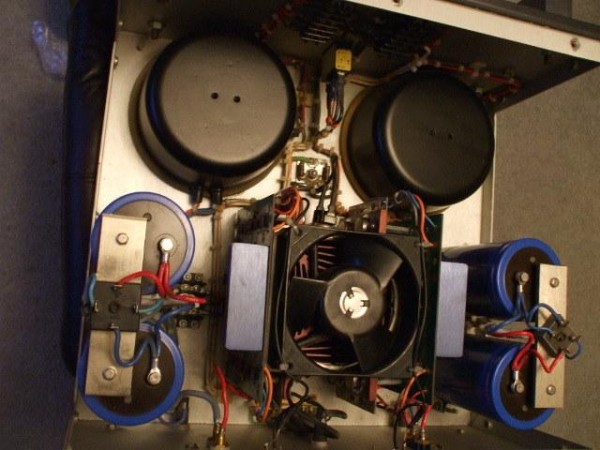
- krell ksa50 iç görünüm
-
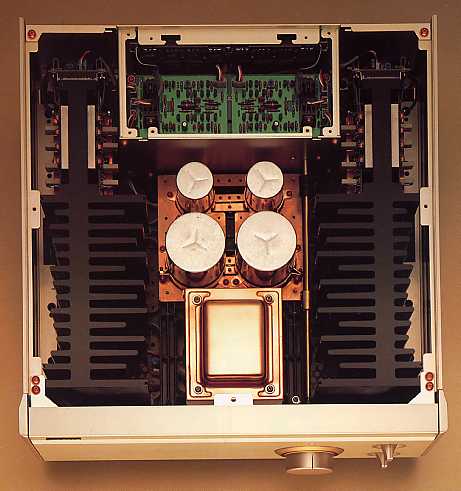
- pioneer a-09 iç görünüm
- a-09-in.jpg (30.39 KiB) 1147 defa görüntülendi
-
fixxxxxer - DIY Audio Gurusu
- İleti: 456
- Kayıt: 04 Oca 2009, 14:24
- İl: İstanbul
- Meslek: Öğrenci
Transistör/MOSFET Güç Yükselteçleri
-
- Bu konular da ilginizi çekebilir:
- Cevaplar
- Gösterim
- Son ileti
-
- RAS10
gönderen ekosis » 22 Tem 2013, 13:39 - 1 Cevaplar
- 1004 Gösterim
- Son ileti gönderen hamist

22 Tem 2013, 13:51
- RAS10
Kimler çevrimiçi
Bu forumu görüntüleyenler: Google [Bot] ve 0 misafir